

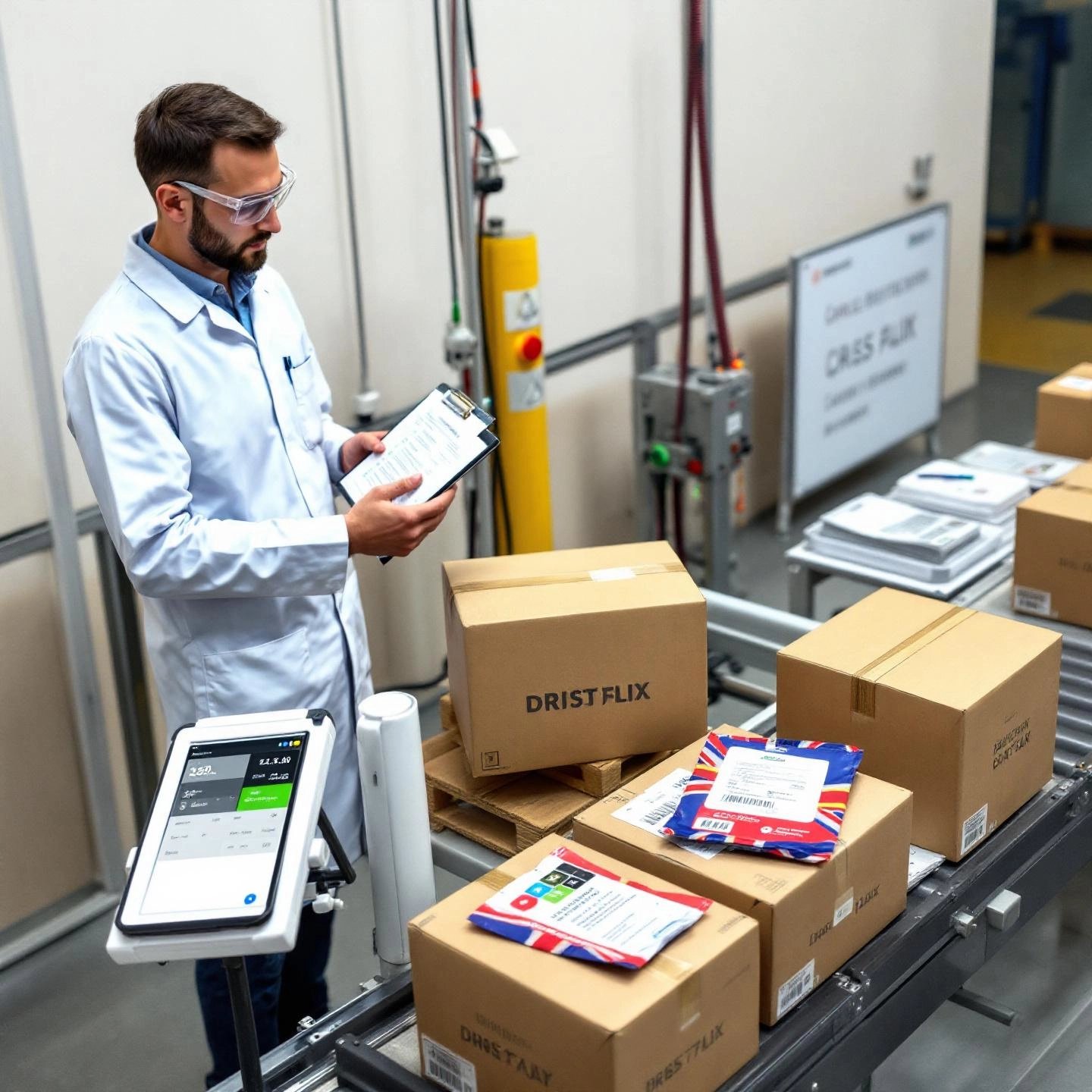
Introduction to AQL Quality Control
When you’re sourcing products overseas or managing large-scale manufacturing, how do you ensure every item meets your standards—without inspecting every single piece? That’s where AQL quality control comes in, acting as your safety net in global trade.
What Is AQL Quality Control?
AQL stands for Acceptable Quality Limit (sometimes called Acceptable Quality Level). It’s a statistical tool rooted in the ISO 2859-1 standard that defines the maximum number of defective items allowed in a random sample before a batch is rejected. Think of it as the agreed-upon threshold between buyers and suppliers for what’s considered “good enough” in a shipment.
- Acceptable Quality Level: The worst tolerable quality level still considered satisfactory for a product batch.
- Expressed as a percentage or ratio: For example, an AQL of 1% means no more than 1% of the batch can be defective.
- Internationally recognized: Used across industries from electronics to apparel and especially critical in sectors like medical devices, where safety is paramount.
Why Is Standardized AQL Quality Control Essential?
Imagine ordering 10,000 products from a supplier. Inspecting every single item would be time-consuming and costly. But skipping inspection altogether is risky. AQL quality control provides a practical, standardized solution:
- Manages risk by setting clear, data-driven limits for defects.
- Enables informed shipment decisions—approve or reject batches based on objective criteria, not guesswork.
- Balances cost and quality: You inspect a manageable sample size, not the entire batch.
This approach is especially valuable for importers, who may not have direct oversight of overseas factories. By agreeing on an AQL with your supplier, you establish a common language for quality—reducing misunderstandings and disputes.
Real-World Example
Let’s say you’re importing 5,000 pairs of shoes. If your acceptable quality level is set at 2.5%, you’re allowing up to 125 defective pairs in the total shipment. If inspectors find more than 125 defects in the sample, the entire batch can be rejected or reworked. This system gives both buyer and supplier a fair, efficient way to manage expectations and outcomes (Investopedia).
Key Takeaway
AQL quality control isn’t about guaranteeing perfection—it’s about defining and managing risk in a way that’s efficient, transparent, and internationally recognized. For importers and manufacturers, mastering AQL is a foundational step toward reliable, scalable quality management.
What AQL Means for Your Products
Ever wondered how you can trust the quality of thousands of products without inspecting every single one? That’s where the core principles of AQL sampling come into play. Let’s break down what this really means for your business and why it’s the backbone of effective quality control.
AQL: The “Worst Tolerable”—Not Perfection
First things first: Acceptable Quality Level (AQL) is not a promise of zero defects. Instead, it’s an agreed-upon threshold—the maximum defect rate that both buyer and supplier are willing to tolerate in a batch. According to the ISO 2859-1 standard, this is the “worst tolerable” quality level. In other words, it’s the line between what’s acceptable and what’s a deal-breaker.
- AQL as a Percentage or Ratio: AQL is typically expressed as a percentage (like 2.5%) or a ratio (such as 1 in 100 units).
- Example: If your AQL is 1% for a batch of 5,000 items, no more than 50 can be defective for the batch to pass inspection.
- Industry Variation: The AQL percentage can be much lower for critical products (such as medical devices) and higher for less sensitive goods (like household items) (Investopedia).
Why Not Inspect Everything?
Sounds complex? Consider this: Inspecting 100% of a large batch is expensive and time-consuming. On the flip side, skipping inspection altogether leaves you exposed to unacceptable quality risks. AQL sampling offers a practical middle ground.
- Cost-Effective: By checking a statistically determined sample, you save time and resources.
- Risk Management: You accept a small, calculated risk that some defects may slip through—but you avoid the massive cost of total inspection.
Analogy: Imagine election polling. Pollsters don’t interview every voter—they sample a group that represents the whole, then use statistics to estimate the outcome. Similarly, AQL sampling uses a carefully selected sample to make an informed decision about the quality of the entire batch.
How AQL Sampling Works in Practice
When you set an AQL percentage, you’re defining the maximum defect rate you’ll accept—on average, over multiple batches. For example, an AQL of 2.5% on a 20,000-piece order means up to 500 defects are allowed. If sampling reveals more than this limit, the batch is rejected or reworked.
- Not a Guarantee: Passing an AQL inspection doesn’t guarantee every item is perfect. It means the batch meets your agreed risk threshold.
- Statistical Confidence: The AQL system is designed so that, over many shipments, your average defect rate should not exceed your AQL percentage.
Balancing Buyer and Supplier Interests
Buyers want as few defects as possible; suppliers need efficiency and manageable costs. AQL sampling strikes a balance, giving both sides a clear, fair, and internationally recognized standard for quality decisions. This way, you can focus on growing your business, knowing you’ve set the right boundaries for product quality.
Ready to see how this statistical approach translates into real-world decisions? Next, we’ll walk step-by-step through how to use AQL charts to determine sample sizes and defect limits for your shipments.

How to Navigate AQL Charts for Sampling
Ever stared at an AQL chart and wondered, “How do I actually use this to make real decisions about my shipment?” You’re not alone. While AQL sampling tables might look intimidating at first glance, breaking them down step by step reveals a surprisingly practical tool for importers and quality control professionals alike.
Understanding the Structure of AQL Sampling Tables
The most widely used system is the ANSI/ASQ Z1.4 standard, which organizes the sampling process into two key tables:
- Table 1: Determines your sample size code letter based on your lot (batch) size and chosen inspection level.
- Table 2: Converts your code letter into an actual sample size and shows the allowable number of defects (accept/reject criteria) for your selected AQL percentage.
Let’s walk through the process using a real-world example, so you can see exactly how to apply these tables to your own orders.
Step 1: Identify Your Lot Size
Start by determining the total number of units in your shipment—this is your lot size. For instance, if you’re importing 500 products, your lot size is 500.
Step 2: Choose the Appropriate Inspection Level
Next, select your inspection level. The ANSI/ASQ Z1.4 AQL chart offers three general levels:
- GI – Smallest sample size, for quick or low-risk checks
- GII – Medium sample size, the most commonly used for consumer goods
- GIII – Largest sample size, for stricter or higher-risk inspections
Most businesses default to Level II (GII) for a balanced approach.
Step 3: Find the Sample Size Code Letter
On Table 1 of the AQL chart, cross-reference your lot size with your chosen inspection level. This intersection gives you a sample size code letter. For a batch of 500 units at Level II, the code letter is typically “H”.
Step 4: Determine Your Actual Sample Size
Flip to Table 2 and look up the code letter you just found. For “H,” you’ll see a sample size of 50 units. This means you need to randomly select and inspect 50 products from your batch of 500.
Step 5: Set Your AQL Percentage and Find Accept/Reject Numbers
Now, decide your AQL percentage—the maximum defect rate you’ll tolerate. Common settings are:
- 0% for critical defects
- 2.5% for major defects
- 4.0% for minor defects
Within Table 2, locate the column for your chosen AQL. At the intersection with your sample size row, you’ll see two numbers: one for acceptance and one for rejection. For example, with a sample size of 50 and an AQL of 1%, the accept/reject numbers might be 1/2. That means:
- If 1 or fewer defects are found, the batch passes.
- If 2 or more defects are found, the batch fails and is typically rejected or reworked.
AQL Sampling Table Example
| Lot Size | Sample Size Code Letter | Sample Size | AQL % | Accept/Reject Numbers |
|---|---|---|---|---|
| 281–500 | H | 50 | 1.0 | 1 / 2 |
| 501–1,200 | K | 80 | 2.5 | 5 / 6 |
| 1,201–3,200 | L | 125 | 4.0 | 7 / 8 |
Note: Always refer to the latest ANSI/ASQ Z1.4 tables or your inspection company’s documentation for precise figures. The above table is for illustration only.
Key Tips for Using AQL Charts Effectively
- Agree on AQLs in Advance: Make sure both you and your supplier understand and accept the chosen AQL percentages for each defect category before production starts.
- Adjust Sample Size if Needed: If your AQL is very strict (low percentage), you may need to increase your sample size for meaningful results.
- Check All Defect Types: Inspectors usually check for critical, major, and minor defects at the same time, applying the relevant AQL for each.
- Document Everything: Keep clear records of your lot size, inspection level, sample size, AQLs, and results for every shipment.
Why Mastering AQL Sampling Tables Matters
By understanding how to use an AQL chart, you gain control over your quality decisions, reduce disputes, and make your supply chain more predictable. Instead of relying on guesswork, you use a standardized, data-driven approach to decide if a shipment meets your standards or needs corrective action.
Next, we’ll explore how to choose between the different inspection levels (General and Special) and what those choices mean for your sample size, risk, and inspection costs.
How to Select AQL and Inspection Level
Ever wondered why some inspections check just a handful of items, while others seem to examine every detail? That’s the power—and the challenge—of choosing the right AQL inspection levels. Selecting the right level isn’t just a technical step; it’s a strategic decision that directly impacts your risk, inspection costs, and your confidence in product quality.
General vs. Special Inspection Levels: What’s the Difference?
When you look at the AQL chart, you’ll notice two main types of inspection levels: General and Special. Each serves a different purpose in your quality control process, and understanding both is key to effective risk management.
- General Inspection Levels (GI, GII, GIII): These are used to determine the overall sample size for most standard product checks. Think of them as your default options for visual inspections, basic measurements, and general quality assessments.
- Special Inspection Levels (S-1, S-2, S-3, S-4): These are designed for situations where you need to test specific attributes—often those that are time-consuming, destructive, or expensive to check on every sample. Special levels let you inspect a smaller subset, accepting a higher risk for those particular tests.
How General Inspection Levels Work
There are three General Levels:
- GI (General Level I): Smallest sample size. Use when product risk is low, or the supplier has a strong track record.
- GII (General Level II): Medium sample size. This is the industry standard and is most commonly used for consumer goods and routine inspections.
- GIII (General Level III): Largest sample size. Choose this when you need maximum confidence—such as with new suppliers, past quality issues, or high-value products.
For example, if you’re importing 1,300 units and select GII, you might inspect 125 samples. GIII would require more, while GI would require fewer. The higher the level, the more samples you check—and the more likely you are to catch defects, but at a higher cost and time investment.
How Special Inspection Levels Work
Special levels (S-1 to S-4) are ideal when a full inspection isn’t practical. Imagine you need to perform a destructive test or a lengthy function check—doing this on every sample would be unrealistic. Here’s how the special levels break down:
- S-1: Smallest special sample size. Use when you can only afford to check a very small number of items.
- S-2: Slightly larger, often considered the default for special tests.
- S-3: Even larger sample size, used when you need a bit more assurance.
- S-4: Largest special sample size, offering the most confidence among the special levels.
For instance, in a batch of 1,300 units, you might inspect 125 pieces for appearance (using GII), but only 8 for a functional test (using S-2).
Trade-Offs: Sample Size vs. Risk
Sounds complex? Let’s simplify:
- Bigger sample size = Lower risk, higher inspection cost
- Smaller sample size = Higher risk, lower inspection cost
Choosing a higher inspection level (like GIII or S-4) gives you more confidence that the batch meets your standards but costs more in time and resources. Lower levels (GI or S-1) save money but increase the chance of missing defects.
How to Select AQL and Inspection Level for Your Business
Not sure which level is right for you? Consider these practical criteria:
- Product Value & Risk: High-value or safety-critical products justify higher inspection levels.
- Supplier History: New or previously unreliable suppliers call for stricter inspection; trusted partners may allow for lower levels.
- Inspection Time & Cost: If time or budget is tight, balance risk with lower levels—but understand the trade-off.
- Nature of the Test: Use special levels for destructive, costly, or time-consuming tests.
Ultimately, the right AQL inspection levels depend on your business goals, risk tolerance, and supplier relationships. If you’re ever in doubt, start with GII for general checks and S-2 for special tests, then adjust based on experience and results.
Now that you know how to select inspection levels that match your needs, let’s dive deeper into classifying defects—because not all quality issues are created equal, and understanding the difference is key to meaningful inspections.

Classifying Critical, Major, and Minor Defects
When you hear about “defects” in quality control, do you picture a single broken item—or a whole shipment at risk? The truth is, not all defects are created equal. In AQL quality control, understanding the difference between critical, major, and minor defects is essential. Why? Because how you classify defects directly impacts whether your shipment passes or fails inspection—and ultimately, your brand reputation.
Why Defect Classification Matters in AQL Inspections
Imagine this: You’re inspecting a batch of electronics, and you spot a scratch, a faulty button, and a loose wire. Should all of these issues be treated the same? Absolutely not. Proper AQL defect classification ensures that you focus resources where they matter most—protecting safety, function, and customer satisfaction. It also allows you to set realistic expectations and communicate clearly with suppliers.
The Three Main Defect Categories Explained
Let’s break down each defect type with clear definitions and real-world AQL quality control examples:
- Critical Defects
- Definition: A defect that could cause harm or make the product unsafe to use. These are the most severe and are usually not tolerated at all.
- Examples:
- Exposed wiring in an electrical device (risk of shock or fire)
- Sharp burrs on a metal tool (risk of injury)
- Contaminants like insects or blood inside packaging
- Battery overheating in electronics
- Typical AQL: 0%—any critical defect results in automatic batch failure. Most importers have zero tolerance for these issues.
- Major Defects
- Definition: A defect that makes the product unsaleable or likely to be returned by the customer. These issues often affect appearance, performance, or function.
- Examples:
- Scratches on the front of a display screen
- Incorrect color or labeling (e.g., wrong size or model)
- Missing or non-functional parts, like a lock that won’t open with its key
- Garment with a large stain or hole
- Typical AQL: Often set at 2.5%—meaning a small number of major defects may be tolerated before the batch is rejected.
- Minor Defects
- Definition: A defect that does not significantly affect the product’s function or appearance and is unlikely to trigger a return. Most customers may not even notice these issues.
- Examples:
- Small scratch on the back of a device
- Slight color variance from the approved sample
- Untrimmed threads on clothing
- Light surface abrasion on hardline items
- Typical AQL: Usually set higher, such as 4.0%, allowing for a greater number of minor defects before the batch fails inspection.
How to Use Defect Classification in Practice
Defining these categories isn’t just theory—it’s a practical step in your quality control process. Here’s how it works:
- Before production, collaborate with your supplier and inspection team to create a detailed list of potential defects for your product type.
- Assign each defect to a category (critical, major, minor) based on its impact on safety, function, and customer satisfaction.
- Set your AQL percentages for each category and make sure everyone is aligned before inspections begin.
- During inspection, all defects are recorded and counted by category. If the number of defects in any category exceeds your set AQL, the batch may be rejected or require rework.
Why Getting Classification Right Is Essential
Misclassifying defects can lead to costly mistakes—rejecting batches for minor issues or, worse, approving shipments with dangerous flaws. By using a clear, consistent AQL defect classification system, you ensure inspections are meaningful and your quality standards are met. This approach not only protects your customers but also streamlines communication and reduces disputes with suppliers.
With your defect categories clearly defined, you’re ready to weigh the benefits and limitations of the AQL approach—and how it fits into a modern supply chain. Let’s look at how AQL quality control methods can help you balance efficiency, cost, and risk in your business.
The Benefits and Limitations of AQL in Modern Supply Chains
When you’re managing global sourcing, you want a quality control system that’s efficient, reliable, and easy to communicate—especially when working across borders and cultures. That’s why so many importers turn to AQL quality control methods as their go-to standard. But is AQL the silver bullet for flawless imports? Let’s take a closer look at both sides of the equation so you can make informed decisions for your business.
What Makes AQL Quality Control Methods So Valuable?
Imagine trying to inspect every single product in a shipment of 10,000 units. Sounds overwhelming, right? That’s where AQL shines. Here’s why businesses around the world rely on the AQL standard:
- Cost Savings: By inspecting a statistically significant sample instead of the entire batch, you dramatically reduce inspection time and labor costs.
- Efficiency: AQL streamlines the inspection process, enabling you to make shipment decisions quickly and keep your supply chain moving.
- Standardized Decisions: Because AQL is based on internationally recognized standards (like ISO 2859-1 and ANSI/ASQ Z1.4), it provides a common language between buyers and suppliers, reducing misunderstandings and disputes.
- Risk Management: By setting clear, data-driven defect limits, AQL helps you manage the risk of receiving subpar products—without the need for exhaustive inspection.
- Supplier Accountability: The use of AQL-based inspections encourages suppliers to maintain consistent quality, as their shipments are regularly measured against clear benchmarks.
But What Are the Limitations of Relying Only on AQL?
While the benefits are clear, it’s important to recognize that AQL isn’t a magic wand. It’s a powerful filter at the end of the production line, but it does have its boundaries:
- Reactive—Not Preventive: AQL inspections catch problems after production, not before. If systemic issues exist in your supplier’s process, you may still face recurring defects.
- Not a Process Improvement Tool: AQL doesn’t identify root causes or drive continuous improvement—it simply tells you if a batch meets your agreed standards.
- Sampling Risk: Because only a sample is inspected, there’s always a chance that some defective units slip through, especially if defects are not evenly distributed.
- Potential Supplier Resistance: Some suppliers may push back against strict AQL requirements, leading to negotiation challenges or production delays.
- Human Error and Subjectivity: Misclassification of defects or inconsistent inspection techniques can lead to disputes or unreliable results.
Why Proactive Quality Assurance Is Essential
So, how do you bridge the gap between reactive inspections and robust, preventive quality control? The answer lies in proactive supplier evaluation—especially before production even begins. This is where factory audit services come into play.
Think of a factory audit as a deep-dive into your supplier’s capabilities, quality management systems, and compliance with international standards. By conducting a thorough audit, you can:
- Verify if a supplier has the processes and culture needed to consistently meet your AQL requirements.
- Identify weaknesses in their internal QC that could lead to repeated AQL failures or costly shipment rejections.
- Reduce the risk of surprises at the end of production—protecting your brand and your bottom line.
While AQL is vital for final product acceptance, a proactive approach—like a comprehensive factory audit—ensures your suppliers can consistently deliver to your standards. This dual strategy transforms AQL from a last-minute checkpoint into a confident confirmation of a capable partner’s output.
Curious how to put this into practice? Next, we’ll walk you through a step-by-step roadmap for implementing an AQL system in your business, including how to define standards, communicate with suppliers, and leverage factory audits for long-term quality assurance.

How to Implement an AQL System for Your Business
Thinking about integrating AQL quality control into your business, but not sure where to start? Imagine this: You’ve just landed a big order, and the stakes are high. How do you ensure every product meets your standards—without drowning in costly rework or disputes? That’s where a systematic AQL implementation process comes in. Let’s break it down into actionable steps, so you can build a robust quality management system that protects both your brand and your bottom line.
Step 1: Define Clear AQL Standards in Your Purchase Orders
It all starts with clarity. Before production begins, specify your AQLs (Acceptable Quality Levels) directly in your purchase orders and supplier agreements. This sets a transparent benchmark for what’s considered acceptable—and what isn’t. For example, you might state:
- Critical defects: 0% (no tolerance)
- Major defects: 2.5%
- Minor defects: 4.0%
By documenting these numbers, you establish a common language with your supplier, reducing the risk of misunderstandings or disputes down the line.
Step 2: Create a Detailed Defect Classification List
Not all defects are created equal. To make your AQL quality control process meaningful, work with your supplier and inspection team to develop a defect classification checklist tailored to your product. This list should clearly define what counts as a critical, major, or minor defect, using practical examples relevant to your industry. For instance:
- Critical: Safety hazards, missing certifications, or anything that makes the product unusable.
- Major: Functional failures, large cosmetic flaws, or incorrect labeling.
- Minor: Small scratches, slight color variations, or minor packaging issues.
Having this list in place ensures everyone is on the same page during inspections, making the evaluation process objective and repeatable.
Step 3: Establish Open Communication Channels with Your Suppliers
Sounds simple, but it’s often overlooked. Regular, proactive communication with your suppliers is crucial for successful AQL implementation. Discuss your expectations, share your defect classification list, and review sample products together before mass production. This collaborative approach helps prevent surprises and builds trust.
- Schedule pre-production meetings to align on quality standards.
- Share inspection reports and feedback promptly.
- Encourage suppliers to ask questions or flag potential issues early.
Open dialogue not only streamlines problem-solving but also fosters a partnership mindset, rather than an adversarial one.
Step 4: Verify Supplier Capabilities with a Factory Audit
Here’s a critical step many businesses miss: Before you even enforce your AQL requirements, make sure your supplier can actually meet them. This is where a comprehensive factory audit comes in. A factory audit assesses a facility’s quality management systems, production capacity, and compliance with international standards—giving you confidence that your supplier is up to the task.
- Evaluate the supplier’s equipment, workforce, and process controls.
- Check for robust documentation and corrective action procedures.
- Identify potential risks or bottlenecks before production starts.
By conducting a factory audit upfront, you proactively reduce the risk of shipment rejections, costly delays, or recurring quality issues.
Step 5: Train Your Team and Suppliers on the AQL Process
Even the best-designed system can stumble if people aren’t prepared. Invest in training for your internal QC team and your suppliers. Cover topics like:
- How to use AQL sampling tables and determine correct sample sizes
- How to classify and record defects accurately
- How to document and interpret inspection results
Well-trained teams catch more issues early, ensuring smoother production and fewer headaches later on.
Step 6: Document, Analyze, and Continuously Improve
After each inspection, keep detailed records of findings, including defect types, quantities, and batch outcomes. Regularly review these reports to spot trends or recurring issues. Use analytics to guide process improvements—whether that means adjusting your AQLs, refining your defect list, or providing targeted feedback to suppliers.
- Analyze inspection data for patterns
- Update procedures as your business and product lines evolve
- Encourage a culture of continuous improvement across your supply chain
Why Factory Audits Are the Foundation of Reliable AQL Implementation
Remember, AQL only works when your supplier’s processes are up to par. That’s why a thorough factory audit—like those provided by Eagle Eyes Inspection—is an essential first step. These audits don’t just check paperwork; they dive deep into production capabilities, quality systems, and compliance, giving you confidence that your supplier can consistently deliver to your standards. By starting with a factory audit, you transform AQL from a last-minute filter into a reliable, risk-managed process.
Ready to take control of your quality? By following this practical roadmap, you’ll build an AQL system that’s clear, collaborative, and resilient—laying the groundwork for flawless imports and a stronger brand reputation. In the next section, we’ll summarize the key takeaways and show how AQL quality control, when paired with robust supplier evaluation, empowers you to protect your investments and grow your business with confidence.
Conclusion
When you look back at the journey of mastering AQL quality control, what stands out? Maybe it’s the clarity of setting defect thresholds, the practicality of sampling, or the peace of mind that comes from knowing your shipments are checked against global standards. But at its core, AQL is about much more than numbers—it’s about protecting your brand, your customers, and your business from costly surprises.
Key Takeaways: Why AQL Quality Control Matters
- Risk Management: AQL empowers importers to set clear, data-driven boundaries for product quality, minimizing the risk of defective shipments without the burden of 100% inspection.
- Cost Efficiency: By focusing on statistically significant samples, AQL reduces inspection time and costs while maintaining confidence in shipment quality (FasterCapital).
- Standardized Communication: Using an agreed-upon AQL system creates a common language between buyers and suppliers, reducing disputes and misunderstandings.
- Brand Protection: By catching problems before they reach your customers, AQL quality control safeguards your reputation and builds loyalty.
But here’s the reality: Even the best AQL system is only as good as the supplier behind it. If your factory lacks robust processes, no amount of sampling can guarantee consistent results. That’s why, for importers seeking true confidence, the journey shouldn’t end at AQL sampling—it should start with a thorough factory audit for AQL readiness.
Empowering Your Supply Chain: The Role of Factory Audits
- Proactive Assurance: Factory audits evaluate a supplier’s quality management systems, workforce training, and compliance with international standards—ensuring they can consistently meet your AQL requirements.
- Risk Reduction: By identifying process weaknesses before production, audits help prevent recurring defects and costly shipment failures (Eagle Eyes Inspection).
- Informed Decisions: Audit reports provide actionable insights, allowing you to select reliable partners and set realistic expectations for quality and delivery.
Imagine the confidence of knowing your supplier has already been vetted for process strength and compliance—so when you apply AQL inspections, you’re verifying the output of a capable partner, not rolling the dice on quality.
Take the Next Step to Flawless Imports
Ready to put these principles to work? Start by integrating AQL quality control into your purchase orders, building clear defect classification lists, and establishing open communication with your suppliers. But don’t stop there. For true peace of mind, consider a comprehensive factory audit as the foundation of your quality strategy.
- Assess your supplier’s readiness for AQL compliance
- Address potential risks before production begins
- Lay the groundwork for a resilient, high-performing supply chain
If you’re looking for a trusted partner to help you take this crucial step, Eagle Eyes Inspection’s factory audit services offer the expertise and speed global importers need. With deep knowledge of the Chinese manufacturing landscape and a proven track record, they help transform AQL from a last-minute filter into a robust, proactive quality system.
In today’s fast-paced global market, combining AQL quality control with a thorough factory audit is the smartest way to protect your brand, delight your customers, and grow with confidence.
Now, it’s your turn to unlock the full potential of your supply chain. Start with a strong foundation—and let AQL quality control and expert factory audits guide your business to flawless imports and lasting success.
Frequently Asked Questions about AQL Quality Control
1. What is AQL in quality control?
AQL, or Acceptable Quality Level, is a statistical standard used in quality control to determine the maximum number of acceptable defects in a product batch. It allows importers and manufacturers to assess product quality by inspecting a sample rather than the entire shipment, balancing risk and efficiency. AQL levels are agreed upon between buyers and suppliers to set clear expectations and minimize disputes.
2. What does an AQL of 4.0 mean?
An AQL of 4.0 means that up to 4% of a batch can have minor defects before the shipment is considered unacceptable. This level is often used for less critical product attributes, allowing some minor issues that do not affect product function or customer satisfaction. For critical or major defects, much lower AQL values are typically set, often at 0% for critical and 2.5% for major defects.
3. How are AQL sampling tables used in inspections?
AQL sampling tables, such as those from the ANSI/ASQ Z1.4 standard, guide inspectors to determine how many units to sample from a batch and what defect counts trigger acceptance or rejection. The process involves identifying the batch size, selecting the inspection level, and using the tables to find the sample size and defect thresholds. This ensures a fair and consistent approach to quality checks.
4. Why is a factory audit important before applying AQL inspections?
A factory audit is crucial because it assesses whether a supplier’s processes and quality management systems can consistently meet your AQL requirements. By identifying weaknesses before production, audits reduce the risk of shipment failures, costly rework, and disputes. This proactive approach ensures that AQL inspections confirm quality rather than reveal preventable problems.
5. What are the main benefits and limitations of AQL quality control?
AQL quality control offers benefits like cost savings, efficiency, and standardized decision-making by focusing on representative samples. However, it is reactive, detecting issues after production rather than preventing them, and there is always a risk that defects not present in the sample may exist in the batch. Combining AQL with proactive supplier audits provides a more robust quality assurance system.

