

TL;DR
To effectively avoid scams from Chinese suppliers, you must prioritize comprehensive due diligence and insist on secure payment methods. The most critical steps involve verifying a supplier’s business licenses and reputation through platforms like Alibaba’s Trade Assurance and by checking independent reviews. Always start with a sample order to test quality and use protected payment options like PayPal or escrow services, while being extremely wary of requests for large upfront payments via wire transfer.
Recognizing the Most Common Supplier Scams
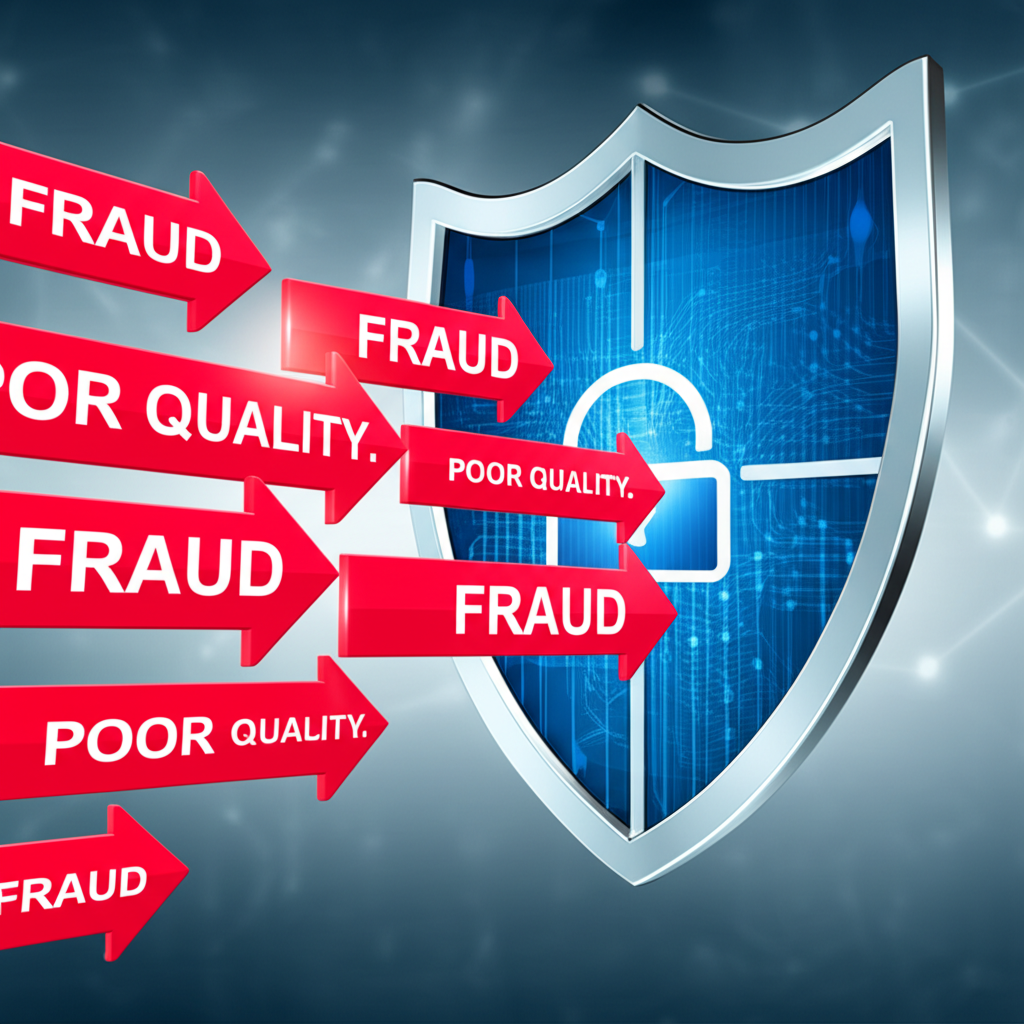
Sourcing products from China offers immense opportunity, but it also requires vigilance against potential fraud. Understanding the most common tactics used by scammers is the first line of defense for your business. These schemes often prey on inexperienced importers who are eager to secure a low price, but a healthy dose of skepticism can prevent significant financial loss.
1. The Bait-and-Switch
This is one of the most prevalent scams. A supplier will lure you in with an exceptionally low price on a product. After you’ve invested time and perhaps a deposit, they will raise the price, blaming it on factors like rising raw material costs. Another variation involves the quality of the product. The initial sample you receive is of high quality, convincing you to place a large order. However, the bulk shipment that arrives is made with inferior materials or poor workmanship, a tactic known as “Chabuduo” or “close enough” manufacturing.
- Red Flags: Prices that seem too good to be true, a sudden price increase after a deposit is paid, or a supplier who is hesitant to provide detailed product specifications.
2. Fake Suppliers and Middlemen
Some listings are from entities that have no factory at all. They create convincing online storefronts with products they don’t produce, aiming to collect your payment and disappear. A similar issue is dealing with a trading company that masquerades as a factory. While legitimate trading companies exist, dishonest ones can add a significant markup, provide poor quality control, and take no responsibility for production issues. They often have polished English-speaking sales teams but lack the technical expertise of a true manufacturer.
- Red Flags: The supplier offers a vast range of unrelated products, refuses a factory video tour, or the company name on the bank account doesn’t match the supplier’s name.
3. Payment and Shipping Frauds
A major warning sign is a supplier who insists on payment only through high-risk methods like Western Union or a direct wire transfer (T/T) to a personal account. These methods offer no recourse if the goods don’t arrive or are not as described. Scammers often use them because they are untraceable. Another tactic is to ask for additional, unexpected fees for things like customs clearance after the initial price has been agreed upon. These costs should always be clarified in the initial terms.
- Red Flags: Pressure to use Western Union, requests to pay into a personal bank account, or last-minute changes to payment information.
A Step-by-Step Guide to Vetting Chinese Suppliers
A systematic verification process is your strongest tool against fraud. Rushing this stage to save time can lead to costly mistakes. By following a clear set of steps, you can significantly increase your chances of partnering with a reliable and legitimate manufacturer.
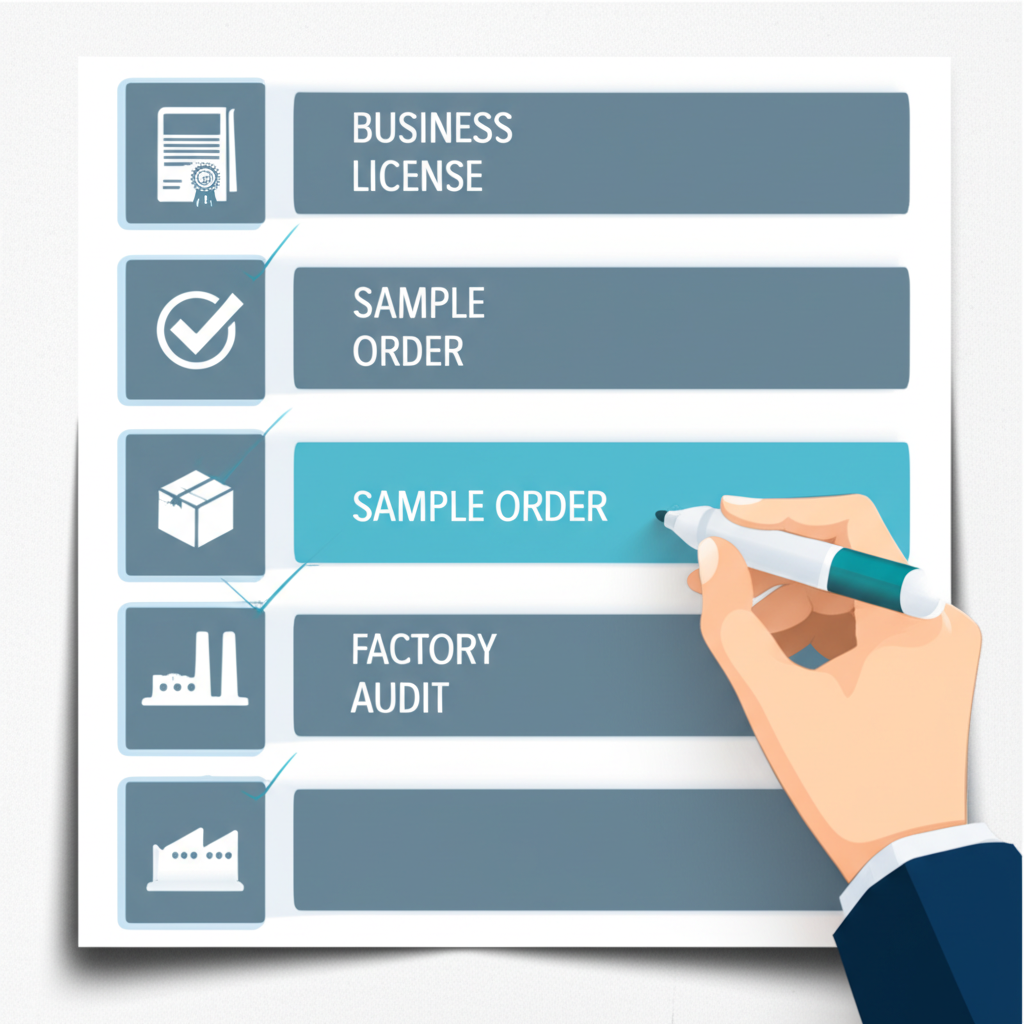
- Leverage Platform Verification Tools: Start your search on B2B platforms like Alibaba, but focus on suppliers with established credentials. Look for designations like “Gold Supplier” and “Verified Supplier”. A Verified Supplier has been inspected by a third-party company. Most importantly, prioritize suppliers who offer Trade Assurance, a free service from Alibaba that protects your payment until you confirm the order meets your standards.
- Verify Business Licenses and Online Presence: Ask for a copy of the supplier’s business license. In the “business scope” section, you can verify if they are registered as a manufacturer for the products you need. A legitimate company should also have a professional website (preferably with a Chinese version) and corporate email addresses, not free accounts like Gmail or Hotmail.
- Communicate and Build a Relationship: Don’t just rely on email. Schedule a video call to speak with your contact and ask for a virtual tour of their factory. This helps confirm they are a real operation and not just a person in an office. Pay attention to their professionalism, product knowledge, and willingness to answer detailed questions.
- Always Order a Sample: Never place a bulk order without first receiving and thoroughly inspecting a sample. A legitimate manufacturer will have no problem providing one. If a supplier refuses to send a sample or demands you place a full order instead, this is a major red flag and you should walk away immediately.
- Conduct Third-Party Inspections: For any significant order, hiring an independent inspection service is a wise investment. These services can verify the quality of your goods before they are shipped from China, ensuring the bulk order matches the approved sample. For businesses that require robust, on-the-ground oversight, utilizing a dedicated partner for quality control can be invaluable. Services that offer comprehensive factory audits, pre-shipment inspections, and container loading supervision act as your eyes in the factory. If you need to secure your supply chain, you can explore a full range of these quality control services to protect your investment.
Implementing Secure Payment and Shipping Practices
How you pay your supplier is one of the most critical aspects of protecting yourself from scams. Fraudulent sellers thrive on insecure payment methods that leave the buyer with no protection. By understanding and using safer options, you retain control and minimize your financial risk.
The cardinal rule is to avoid large upfront payments via methods that are irreversible, such as Western Union or direct bank wire transfers (T/T). Scammers favor these because once the money is sent, it is nearly impossible to recover. A common legitimate practice is a 30% deposit via T/T with the remaining 70% paid upon completion or after a quality inspection, but this should only be done with a thoroughly vetted supplier. For new relationships, prioritize methods that offer buyer protection.
The following table compares common payment methods:
| Payment Method | Security Level | Best For | Considerations |
|---|---|---|---|
| Alibaba Trade Assurance | High | Most orders placed through Alibaba | An escrow service that holds your payment until you confirm satisfactory delivery. It’s one of the safest options. |
| PayPal | High | Samples and smaller orders | Offers excellent buyer protection but has higher fees, which some suppliers may pass on to you. Many suppliers avoid it for large orders. |
| Letter of Credit (L/C) | Very High | Large orders (typically over $20,000) | A guarantee from a bank that the supplier will receive payment once certain conditions are met. It’s very secure but also complex and involves bank fees. |
| Wire Transfer (T/T) | Low | Trusted, long-term suppliers | Offers no buyer protection. Only use this method if you have a long and trusted relationship with the supplier. Never pay 100% upfront. |
| Western Union | Very Low | Not recommended | Untraceable and offers no protection. It is the preferred method for scammers. Avoid it entirely. |
What to Do If You Have Been Scammed
Discovering you’ve been scammed is a frustrating and stressful experience. While recovering your money can be difficult, there are steps you can take. Acting quickly and methodically provides the best chance for some form of recourse.
First, attempt to negotiate directly with the supplier. A misunderstanding can sometimes be mistaken for a scam. Clearly document the issue with photos or videos and propose a solution, such as a partial refund or replacement of goods. If this fails, your next step depends on how you paid. If you used a secure method like Alibaba Trade Assurance or PayPal, immediately file a dispute through their platforms. These organizations have established processes to mediate and can issue a refund if your claim is valid.
If you used a riskier method like a wire transfer, the options are more limited. You can report the company to the B2B platform where you found them to get their account suspended. For serious cases of fraud, you can report the incident to the police in the city where the Chinese company is located. While this can be a complex process, it is a potential avenue for legal action if a criminal case is established. Consulting with a legal firm specializing in Chinese commercial disputes can help you understand your options, though this can be an expensive route.
Fortifying Your Sourcing Strategy
Avoiding scams from Chinese suppliers is not about luck; it’s about process. By integrating a cautious and structured approach into your sourcing strategy, you transform a potential risk into a manageable business function. The core principles are consistent: verify every potential partner, never bypass due diligence for a low price, and always use payment methods that protect your capital.
Remember that legitimate, high-quality suppliers do exist and are the backbone of many successful international businesses. They expect to be vetted and will readily provide documentation and cooperate with your verification process. A refusal to do so is the clearest red flag. By being a diligent, informed, and cautious buyer, you can build strong, reliable partnerships and safely leverage the benefits of global sourcing.
Frequently Asked Questions
1. How can I trust a Chinese supplier?
Trust is built through verification. Start by checking their credentials on platforms like Alibaba, including their status as a Gold or Verified supplier and their years in business. Always request and verify their business license, order samples to assess quality, and read independent reviews. For larger orders, using a third-party inspection service before final payment provides a crucial layer of security.
2. How can I get my money back from a Chinese supplier?
Your options depend on your payment method. If you used Alibaba Trade Assurance or PayPal, file a dispute immediately. These platforms have buyer protection policies and can issue refunds. If you used a wire transfer, start by negotiating directly with the supplier. If that fails, you can report them to the platform they use or, in serious cases, consult a legal professional about options in China, though this can be costly and complex.
3. What should I do if I get scammed by a Chinese company?
First, gather all documentation, including contracts, payment records, and all communication. Contact the supplier to attempt a resolution. If that is unsuccessful, report the fraud to the e-commerce platform (e.g., Alibaba) to have their account investigated. For significant financial losses that constitute a criminal act, you can report the case to the local police (Public Security Bureau) where the Chinese company is registered. However, this process can be complex, as police may initially consider the case a civil dispute. To successfully file a report that may lead to an investigation, it is often necessary to hire a local lawyer and provide documents that have been notarized, authenticated by a Chinese embassy, and translated into Chinese.

