


TL;DR
A quality control checklist for electronics from China is a vital document that clearly defines all product specifications, packaging requirements, on-site testing procedures, and quality standards. It serves as an essential guide for your supplier and inspectors to verify that every unit meets your exact criteria before shipment. A well-crafted checklist is your first line of defense against defects, ensuring consistency and protecting your investment.
Understanding the Essential Components of a QC Checklist
A quality control (QC) checklist, sometimes called an Inspection Criteria Sheet (ICS), is a detailed document that serves two primary purposes. First, it clearly outlines your quality standards and product requirements for your supplier, setting clear expectations before production begins. Second, it provides objective criteria for an inspector to use when verifying the quality of your products. A comprehensive checklist eliminates ambiguity and ensures that you, your supplier, and any third-party inspector are all aligned on what constitutes an acceptable product.
A truly effective checklist is more than just a list of features; it’s a technical document that covers every aspect of the product’s journey from the factory line to the shipping container. To be effective, your checklist should be broken down into several key sections, each addressing a critical area of inspection.
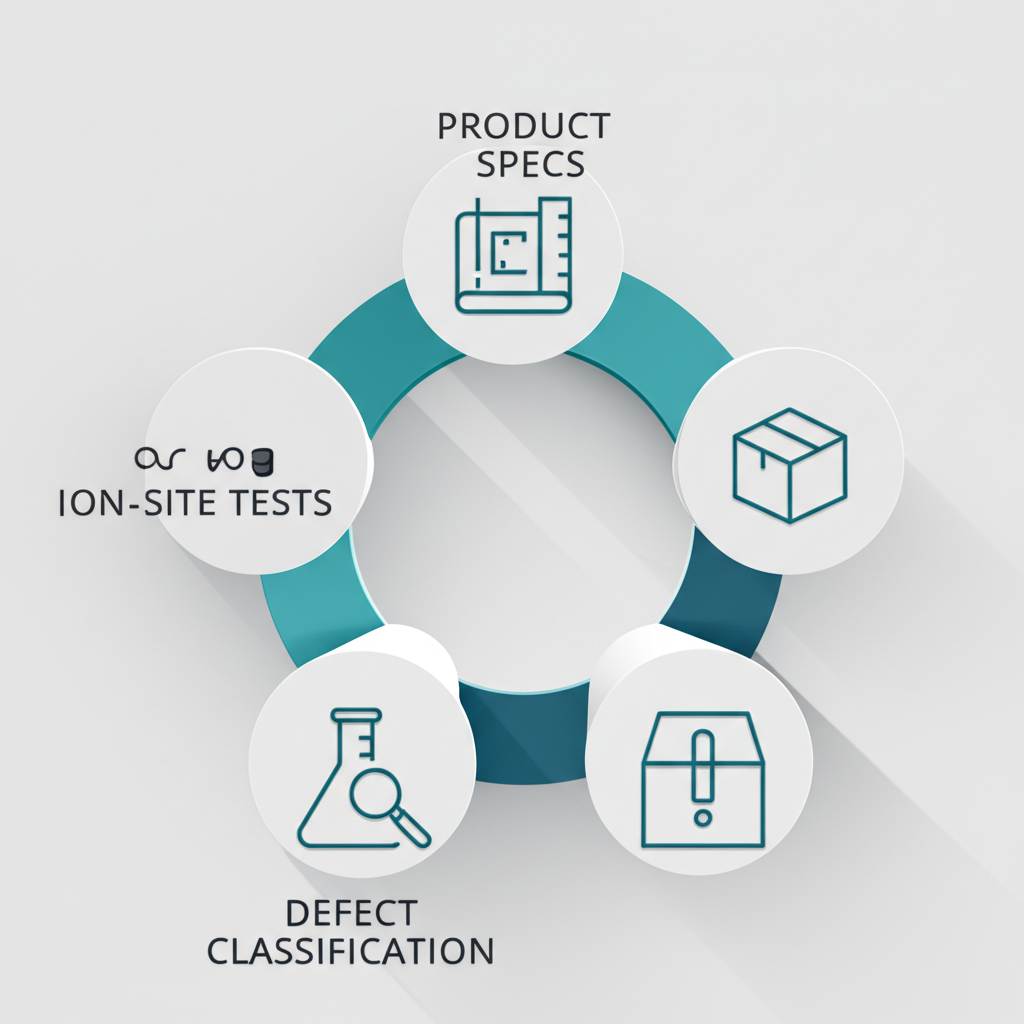
Core Sections of an Effective Checklist
- Product Requirements: This is the heart of your checklist. It must detail all technical specifications with precise tolerances. This includes product weight and dimensions, materials and construction (e.g., specific grade of plastic for the casing), and color codes (using a universal system like Pantone is highly recommended). For electronics, this section must also specify critical details like voltage ratings, power consumption, and required certifications (e.g., UL or CE markings).
- Packaging Specifications: How your product is packaged is crucial for its protection during transit and its presentation to the end customer. This section should define the shipper carton dimensions, inner carton requirements, and any retail packaging. According to guidance from inspection service providers like AQI Service, you should specify packing methods, carton materials (e.g., 5-ply corrugated cardboard), and all required labeling and shipping marks.
- On-Site Tests and Checks: This section outlines the specific tests the inspector must perform to verify the product’s functionality, safety, and durability. Each test procedure, along with the required equipment and pass/fail criteria, should be clearly described. Failing to specify this can lead to an inspector arriving at a factory unprepared, causing costly delays.
- Defect Classification: Not all defects are equal. This section classifies potential issues into three standard categories: Minor (small issues that don’t affect usability, like a tiny scratch), Major (defects that could affect function or appearance, leading to customer returns), and Critical (defects that are hazardous or render the product unsafe). This framework allows you to set Acceptable Quality Limits (AQL) and make informed decisions about whether to accept or reject a shipment.
How to Create Your Electronics QC Checklist: A Step-by-Step Guide
Building a quality control checklist requires a systematic approach to ensure no detail is overlooked. A vague or incomplete checklist can be as bad as having none at all. By following a structured process, you can create a document that empowers your supplier to produce to your standards and enables inspectors to verify them accurately. This step-by-step guide will help you construct a comprehensive and actionable checklist for your electronic products.
- Step 1: Document All Product and Component Specifications. Begin by listing every technical detail. This includes verifying component datasheets, product specifications, and any relevant certifications. According to a detailed guide from ElectronicComponent.com, this initial documentation phase is critical for establishing a baseline for all future quality checks. Ensure that dimensions, materials, and serialization for key components are clearly defined.
- Step 2: Define Packaging and Labeling Requirements. Clearly specify how the product should be protected and identified. This includes the quality of packaging materials, the method of packing to prevent damage, and the accuracy of all labels. Check for part numbers, serial numbers, safety symbols, and any regulatory markings (like RoHS or CE). Proper labeling is essential for traceability and compliance.
- Step 3: Specify All On-Site Tests and Required Equipment. This is where you detail the functional and safety verifications. For electronics, this must include power tests, signal quality tests, and compatibility checks. As highlighted in templates from Process Street, you should also include stress tests like high/low temperature, vibration, and humidity tests to assess durability. Crucially, list the equipment needed for each test (e.g., multimeter, oscilloscope, hi-pot tester) and clarify whether the factory or the inspector is responsible for providing it.
- Step 4: Establish Defect Classification Standards. Go through every potential cosmetic, functional, and safety issue and classify it as minor, major, or critical. Provide clear, objective examples and photos where possible. For instance, a scratch less than 5mm might be ‘minor,’ while a non-functioning button is ‘major,’ and an exposed wire is ‘critical.’ This provides the inspector with unambiguous criteria for evaluating the shipment based on your AQL.
- Step 5: Outline Documentation and Traceability Procedures. Your checklist should require verification of all accompanying documents, including user manuals for completeness and accuracy. It should also incorporate steps for traceability, such as barcode scanning, to create a clear audit trail. This ensures that the components used are authentic and that the final products can be tracked from the factory to the customer.
Critical On-Site Inspections and Tests for Electronics
For electronic products, on-site inspections go far beyond simple visual checks. The tests must be rigorous enough to catch functional failures, safety hazards, and subtle defects that could lead to product failure down the line. A robust QC checklist will detail these specific tests, leaving no room for interpretation. These inspections are typically performed during a Pre-Shipment Inspection (PSI) when at least 80% of the order is complete.
Functional and Performance Testing
This is the most critical category of tests for any electronic device. The goal is to simulate real-world use and verify that the product works as intended. Your checklist should require the inspector to test a sample of units for core functionality. This includes powering the device on and off, testing all buttons and switches, checking display and audio output, verifying connectivity (e.g., Bluetooth, Wi-Fi), and confirming any software or firmware functions correctly. For products with batteries, a basic battery life or charging test is also essential.
Safety and Compliance Checks
Safety is non-negotiable for electronics. These tests ensure the product will not harm the end-user. A key test in this category is the Hi-Pot (High Potential) Test, which checks for adequate insulation and protects against electric shock. The checklist should also verify compliance with required standards like RoHS (Restriction of Hazardous Substances) and EMC (Electromagnetic Compatibility). Inspectors should also check for proper labeling of voltage, wattage, and safety symbols.
Visual and Workmanship Inspection
While function is key, aesthetics and build quality influence customer perception. The inspector should carefully examine a sample of products for cosmetic defects. This includes checking for scratches, cracks, or dents on the housing, ensuring proper alignment of parts, and looking for poor soldering or excess glue. The checklist should provide clear guidelines on what constitutes an acceptable level of workmanship.
Packaging Integrity Tests
The product’s journey from a factory in China is long, and packaging is its only defense. The checklist must include tests to ensure the packaging can withstand the rigors of shipping. The most common is the Carton Drop Test, where a full shipping carton is dropped from specific heights on its corners and faces to simulate rough handling. After the test, the inspector checks both the carton and the products inside for damage.
Best Practices for Effective Quality Control in China
Having a detailed checklist is a crucial tactic, but it fits within a broader strategy for ensuring quality when sourcing from China. Success depends on proactive management, clear communication, and a consistent approach throughout the manufacturing process. Adopting these best practices will amplify the effectiveness of your checklist and help you build a more resilient supply chain.
- Source High-Quality Components: The quality of your final product is determined by the quality of its parts. As noted by manufacturing experts at China 2 West, you must ensure your supplier has a reliable source for high-quality components. Specify these components in your checklist and consider including a verification step to prevent the substitution of cheaper, lower-quality alternatives.
- Establish Consistent Processes: Quality is achieved through repetition and standardization. Work with your supplier to ensure that manufacturing and assembly processes are consistent from the first unit to the last. This consistency minimizes variations and is a key factor in producing reliable electronic products. Well-trained workers and standardized procedures are essential.
- Maintain Clear and Proactive Communication: Don’t just send your checklist and hope for the best. Maintain an open line of communication with your supplier. Proactively ask questions to ensure they understand your requirements fully. Cultural nuances can sometimes lead to hesitation in asking for clarification, so it’s important to foster a collaborative relationship.
- Partner with On-the-Ground Experts: For many importers, managing quality control from thousands of miles away is a significant challenge. Partnering with a trusted firm on the ground can be invaluable. From comprehensive factory audits to meticulous pre-shipment inspections and secure container loading supervision, a professional service acts as your eyes in the factory. If you need to secure your supply chain, you can explore a full range of quality control services to ensure your products meet exact specifications before shipment.
- Schedule Regular Testing and Inspections: Quality control is not a one-time event. It should happen at multiple stages. While a pre-shipment inspection is standard, consider an initial production check (IPC) to catch issues early or a during-production inspection (DUPRO) for large or complex orders. Regular testing helps identify and fix problems before they affect your entire production run.

Frequently Asked Questions
-
1. What are the three classifications of defects in a QC checklist?
Defects are typically classified into three categories to determine severity. Minor defects are small, usually cosmetic flaws that do not affect the product’s function or safety and are unlikely to result in a customer return. Major defects are more significant issues that could impair the product’s function, reduce its usability, or are significant enough that a customer would likely return the product. Critical defects are the most severe, as they render a product unsafe to use or violate mandatory regulations.
-
2. Who should create the quality control checklist?
The importer (the buyer) is ultimately responsible for creating the quality control checklist, as it must reflect their brand’s quality standards and the expectations of their customers. However, it is a best practice to develop the checklist in collaboration with the supplier. The supplier can provide valuable feedback on manufacturing feasibility and suggest improvements, which fosters a better working relationship and can lead to a higher-quality final product.
-
3. When is the best time to perform a quality control inspection?
The most common and critical inspection is the Pre-Shipment Inspection (PSI), which is conducted when 80-100% of the products are manufactured and packaged for shipping. This is the final opportunity to identify any quality issues before the goods are sent. For more complex products or large orders, it’s also wise to conduct a During Production Inspection (DPI or DUPRO) to catch problems earlier in the process when they are easier and less costly to correct.

