


TL;DR
Importers frequently fail pre-shipment inspections due to five primary reasons: significant product quality and workmanship defects, incorrect or incomplete documentation, improper packaging and labeling, discrepancies in quantity or specifications, and inadequate preparation with vague inspection checklists. Overlooking any of these critical areas can lead to costly delays, rework, and damaged goods, ultimately impacting your bottom line and brand reputation.
Understanding Pre-Shipment Inspections and Why They Matter
A Pre-Shipment Inspection (PSI) is a systematic, final quality control check performed when at least 80% of an order is produced and packaged. It serves as a crucial last line of defense before goods leave the manufacturer’s facility, verifying that products meet the importer’s standards for quality, quantity, packaging, and regulatory compliance. The core purpose is to identify and rectify defects at the source, preventing substandard products from ever reaching your warehouse or customers.
Failing an inspection is more than a minor inconvenience; it carries significant financial and logistical consequences. A failed PSI can trigger a cascade of costly problems, including shipment delays while issues are corrected, expensive rework or re-manufacturing, and strained supplier relationships. In a worst-case scenario, receiving defective goods can lead to product recalls, customer complaints, and irreparable damage to your brand’s reputation. Essentially, a PSI is not a cost but an investment in risk management that protects your business from far greater expenses down the line.
The inspection process is comprehensive, typically covering everything from visual checks for cosmetic defects to functional testing and verification of packaging integrity. An inspector uses a detailed checklist, often guided by statistical sampling methods like the Acceptance Quality Limit (AQL), to ensure an objective assessment. The resulting report provides a clear pass/fail verdict with photographic evidence, empowering you to either approve the shipment or demand corrective action before final payment is released.
1. Product Quality and Workmanship Defects
One of the most common reasons for a failed pre-shipment inspection is the presence of product defects related to poor workmanship and assembly. These issues directly impact a product’s aesthetic appeal, functionality, and perceived value. Inspectors frequently identify flaws such as uneven stitching or loose threads on textiles, misaligned components or gaps in electronics, and rough edges or burrs on molded plastic parts. These may seem like minor issues individually, but a high defect rate points to a lack of quality control in the production line.
Functional failures are another critical category of defects. A product can look perfect but fail an inspection if it doesn’t work as intended. This includes everything from electronic devices that fail to power on, buttons that are unresponsive, or mechanical parts like wheels and hinges that do not operate smoothly. For example, a batch of kitchen appliances might fail because a percentage of them have faulty circuits, or a shipment of toys could be rejected because their light-up features are inconsistent. These failures make the product unsellable and are a clear cause for rejection.
Discrepancies in color and materials also lead to inspection failures. An importer might approve a specific shade of blue for a corporate uniform, but variations in dye lots can result in a shipment with inconsistent coloring. Similarly, a supplier might substitute a lower-grade plastic or a different metal finish without approval to cut costs. These deviations from the approved sample can ruin brand consistency and are typically flagged immediately during a thorough PSI.

2. Incorrect Documentation and Paperwork Errors
While physical products are the focus of an inspection, the accompanying paperwork is equally critical. Documentation errors are a frequent and costly mistake that can cause an inspection to fail or lead to significant delays at customs. Every shipment requires a set of precise documents, including a commercial invoice, bill of lading, and packing list. Discrepancies between these documents—such as a mismatch between the quantity of items on the purchase order and the number listed on the packing list—are a major red flag for both inspectors and customs officials.
A particularly complex area is the Harmonized Tariff Schedule (HTS) code classification. The importer of record is ultimately responsible for assigning the correct HTS code, which determines the duty rate for the imported goods. Using the wrong code, even by accident, can have severe consequences. For example, classifying a large computer monitor with the code for a smaller, duty-free model can lead to fines, shipment holds, and increased scrutiny from Customs and Border Protection (CBP) on all future imports.
Furthermore, missing or incomplete compliance certificates can halt a shipment in its tracks. Products destined for specific markets often require documentation proving they meet local safety and regulatory standards, such as CE marking for Europe or UL certification for the USA. An inspector will verify that these certificates are present and valid. Failing to provide this documentation during the inspection process suggests the goods may not be compliant, resulting in a failed report and preventing the goods from being legally imported.
3. Improper Packaging, Labeling, and Handling
Even a perfectly manufactured product can be rejected if its packaging is inadequate. A common mistake importers and suppliers make is underestimating the rigors of international shipping, leading them to use weak or unsuitable packaging materials to cut costs. An inspection will often include checks for packaging integrity, such as carton drop tests. Thin, flimsy boxes that collapse under pressure or a lack of proper internal cushioning for fragile items are immediate grounds for failure. The goal of packaging is to ensure the product arrives in the same condition it left the factory; if it can’t do that, it has failed its primary purpose.
Incorrect labeling is another critical failure point. Shipping marks, barcodes, country of origin labels, and any required safety warnings must be accurate, legible, and compliant with the destination country’s regulations. For example, a missing ‘Made in China’ label on goods destined for the U.S. can cause major customs issues. Inspectors verify that all labels match the product specifications and are correctly placed. Typos, incorrect barcodes, or missing handling instructions (like ‘Fragile’ or ‘This Side Up’) can all contribute to a failed inspection.
Finally, signs of mishandling during the packing process can also be flagged. This could include dents or water damage on cartons, suggesting poor storage conditions at the factory. Proper handling instructions and durable packaging work together to protect the investment. Overlooking this final step can turn a shipment of high-quality goods into a container of damaged, unsellable inventory upon arrival.
4. Quantity and Specification Mismatches
One of the most fundamental checks in a pre-shipment inspection is verifying that the quantity of goods produced matches the amount on the purchase order. A short shipment, where fewer units are packed than ordered, is a clear breach of contract and an obvious reason for failure. Conversely, an over-shipment can create logistical and inventory headaches for the importer. An inspector performs a carton count and verifies the number of units per carton to ensure the totals align perfectly with the order documents. Any discrepancy will be noted in the report and will likely result in a failed inspection until the issue is rectified.
Beyond just the quantity, products must conform exactly to the agreed-upon technical specifications. A failure here means the manufacturer has produced an item that is fundamentally different from what the importer approved. This can manifest in several ways, such as incorrect dimensions or weight, a missing feature or component, or even the wrong product model being substituted without approval. For example, if a piece of furniture is produced a few centimeters larger than specified, it might not fit in its intended retail packaging or the end-user’s space. These deviations are not cosmetic flaws but core product failures.
These specification mismatches often stem from miscommunication or a lack of detailed guidelines from the importer. Without a comprehensive and unambiguous specification sheet, a factory may make assumptions that lead to a product that does not meet the importer’s needs. The PSI serves as the final check to catch these critical errors before the goods are shipped, preventing the importer from receiving a container of products that are effectively useless.
5. Inadequate Preparation and Vague Checklists
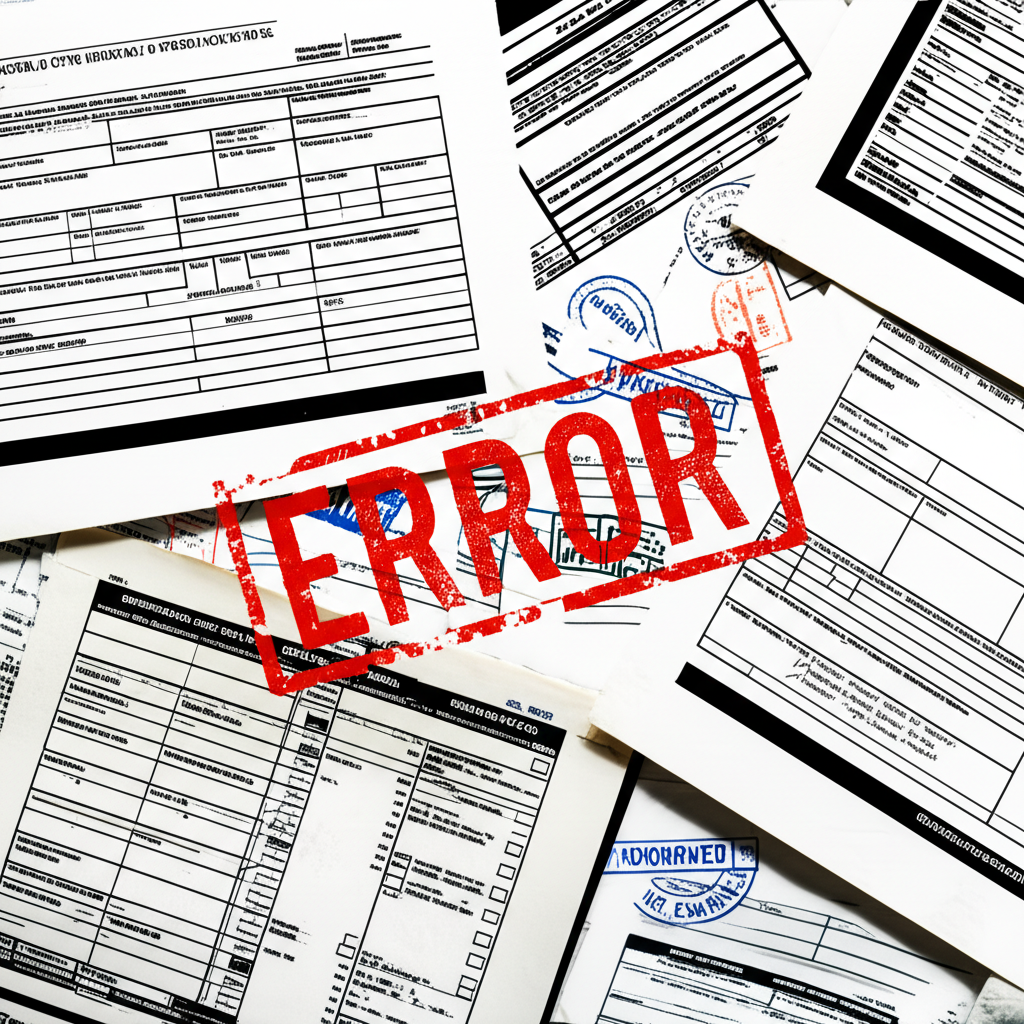
A surprising number of inspection failures happen before the inspector even arrives at the factory. The root cause is often inadequate preparation on the part of the importer. A successful inspection relies on a clear, detailed, and comprehensive inspection checklist that outlines exactly what criteria need to be checked and what standards define a pass or fail. Without this document, the inspector is forced to make assumptions, and the supplier has no clear quality target to aim for.
Vague criteria are a recipe for disaster. Simply stating ‘check for good quality’ is subjective and unenforceable. A proper checklist specifies exact tolerances for dimensions, approved color swatches (like Pantone codes), required functional tests, and a visual guide of acceptable vs. unacceptable cosmetic defects. This document aligns the importer, the supplier, and the inspector, creating a single source of truth for quality expectations. Leaving room for interpretation almost always leads to disputes and rejected shipments.
Relying solely on the factory’s internal quality control is another common pitfall. While reputable suppliers have their own QC processes, their standards may not align with your brand’s expectations. An independent, third-party inspection ensures an unbiased assessment based on *your* criteria. Skipping this step to save a few hundred dollars can easily cost thousands in returned or unsellable goods. A well-prepared inspection, guided by a meticulous checklist, is the foundation of effective quality control.
Proactive Steps to Avoid Pre-Shipment Inspection Failures
Preventing a failed pre-shipment inspection begins long before the final check. By taking a proactive approach to quality management, you can address potential issues at their source and ensure a smooth process. The key is to move from a reactive mindset of catching defects to a proactive one of preventing them. Here are several actionable strategies to implement.
First and foremost, develop a comprehensive inspection checklist. This document is your most powerful tool. It should include everything from product specifications, material requirements, and color standards to packaging instructions and labeling details. Provide clear photographic examples of what constitutes an acceptable product versus a defect. A detailed checklist removes ambiguity and sets clear expectations for your supplier and the inspector.
Effective and continuous communication with your supplier is also essential. Don’t just send a purchase order and hope for the best. Discuss your quality standards upfront, walk them through your inspection checklist, and ensure they understand every requirement. Regular check-ins during production can help catch deviations early, long before they become major problems at the final inspection stage.
For importers sourcing from major manufacturing hubs, using a partner on the ground can be invaluable. This is where leveraging a trusted third-party service becomes a strategic advantage. For instance, services offered by firms like China Quality Inspection provide comprehensive factory audits, meticulous pre-shipment inspections, and secure container loading supervision. They act as your eyes and ears in the factory, ensuring your exact specifications are met before shipment and helping you secure your supply chain.
Finally, consider the full scope of the process. Verify packaging standards to prevent transit damage and ensure all documentation is prepared and double-checked well in advance of the inspection date. By integrating these steps into your sourcing strategy, you transform the pre-shipment inspection from a potential bottleneck into a final confirmation of a job well done.
Transforming Inspections from a Hurdle to an Asset
Ultimately, a pre-shipment inspection should not be viewed as a final exam to be feared, but as an integral part of a healthy and secure supply chain. The reasons for failure—from quality defects and documentation errors to poor packaging—are almost always preventable. By addressing these common pitfalls proactively, importers can significantly reduce their risk of costly delays and protect their brand’s reputation.
Embracing a strategy built on clear communication, detailed preparation, and professional verification turns the inspection process into a powerful quality assurance tool. It fosters accountability with suppliers and ensures that the products reaching your customers consistently meet the standards you promise. This commitment to quality is what builds lasting customer trust and a resilient business.
Frequently Asked Questions
1. What is the purpose of a pre-shipment inspection?
The primary purpose of a pre-shipment inspection (PSI) is to verify that the products being shipped meet the buyer’s agreed-upon specifications, quality standards, and regulatory requirements before they leave the manufacturer’s premises. It is a crucial quality control step that helps mitigate the risk of receiving defective, non-compliant, or incorrect goods, thereby preventing financial losses and protecting brand reputation.
2. Who bears the cost of pre-shipment inspection?
In most cases, the cost of a pre-shipment inspection is paid by the importer (the buyer). It is considered a part of the buyer’s due diligence to ensure product quality. However, the terms can be negotiated between the buyer and the seller in the sales contract. In some instances, if an inspection fails and a re-inspection is required, the supplier may be asked to cover the cost of the subsequent visit.
3. Why is a pre-inspection important?
A pre-inspection is important because it is a cost-effective way to identify and address problems at the source, before they become much larger and more expensive issues. It helps ensure product safety, prevents costly delays at customs, reduces the risk of receiving damaged or defective goods, and avoids the need for returns or rework after delivery. Ultimately, it safeguards your investment and ensures customer satisfaction.

